
Hope & Love
Anchor the Soul
Our vision is to see children and adults with disabilities in our community, celebrated and nurtured.
2024 IMPACT REPORT NOW AVAILABLE
Eternal Anchor’s 2024 Annual Impact Report, sent to donors in early 2025, is now available to read online. Learn more about the difference our international network of supporters is helping to make in the San Quintin Valley.
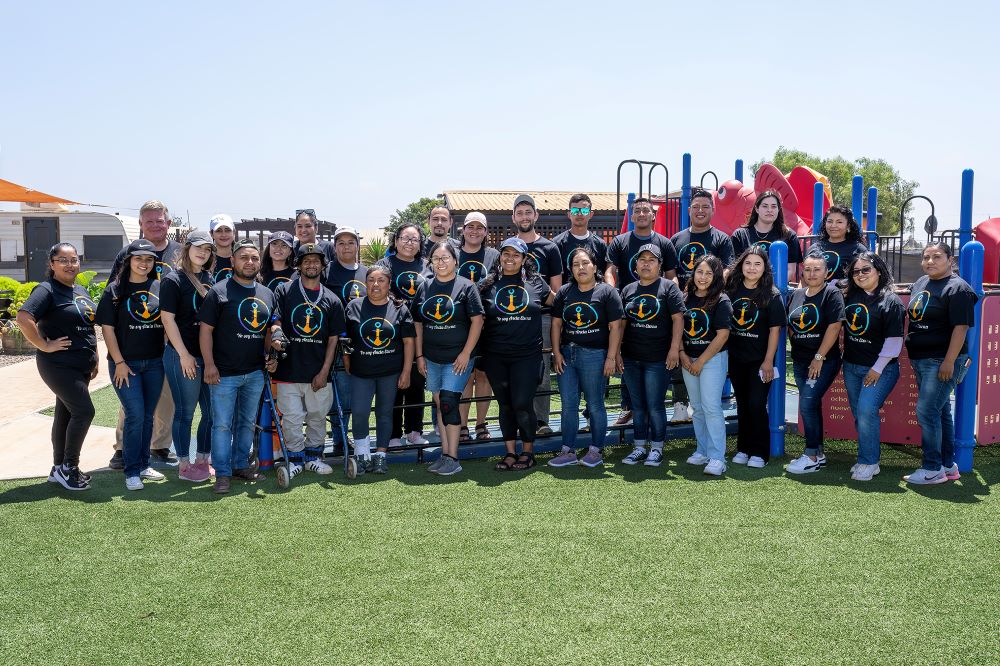
Who We Are
Eternal Anchor
In the heart of rural Mexico, our team is building a movement of inclusion—bringing people together across cultures and backgrounds to ensure that children and adults with disabilities are seen, valued, and empowered to thrive.

What We Do
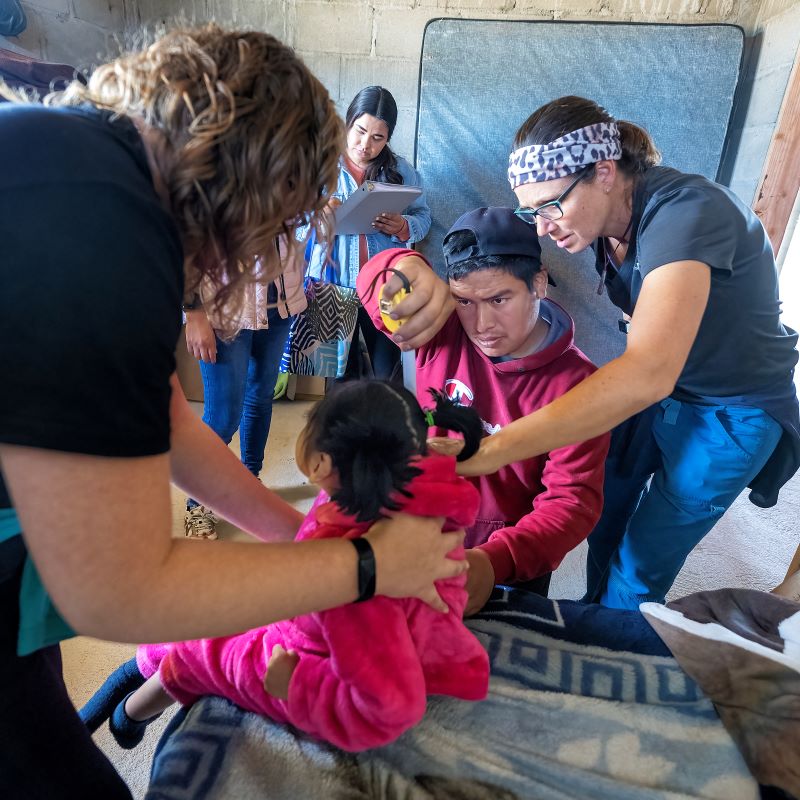
We serve more than 250 families impacted by disability.
Eternal Anchor was founded in 2014 to respond to the unmet opportunity of serving individuals and families impacted by disability in the communities of rural Baja California, Mexico.
Why We’re Here
We aim to heal social divisions.
We work hard to heal social divisions so that all members of our community can be valued, experience belonging, and reach their God-given potential.
Stay Updated
Fresh from our News Feed


Get Involved
PRAY
Sign up to receive regular email updates. That’s a great way to keep in touch and hear about our latest specific prayer needs. Here are some general needs that you can be praying for.
GIVE
By clicking on the DONATE button in the upper right corner of the website, you can give an online financial gift. You may also help by giving items from our Needs and Wants List or through our Amazon Wish List.
GO
Come and serve alongside our staff as a volunteer. We receive short-term missions teams and long-term volunteers. For more information about volunteering or visiting team trip, please email johnr@eternalanchor.org.
Some of the most meaningful lessons at Eternal Anchor aren't found in a textbook or a lesson plan. They grow out of the relationships our students build and how they learn to recognize, respect, and respond to one another's needs.
For our older students, that includes discovering that they have something valuable to offer others. Opportunities to show kindness, take initiative, and contribute to their community help build confidence, empathy, and a growing sense of responsibility.
And for every student, those everyday experiences reinforce an important message: 𝗬𝗼𝘂 𝗯𝗲𝗹𝗼𝗻𝗴 𝗵𝗲𝗿𝗲. 𝗬𝗼𝘂 𝗺𝗮𝘁𝘁𝗲𝗿. 𝗔𝗻𝗱 𝘆𝗼𝘂 𝗵𝗮𝘃𝗲 𝘀𝗼𝗺𝗲𝘁𝗵𝗶𝗻𝗴 𝘁𝗼 𝗰𝗼𝗻𝘁𝗿𝗶𝗯𝘂𝘁𝗲.
That's the kind of community we're working to build at Eternal Anchor, one where inclusion isn't simply something we teach. It's something our students experience together. #Belonging #DisabilityInclusion #InclusiveEducation ...
0 CommentsComment on Facebook
Independence doesn't always mean doing something without assistance. Sometimes, it's about having the freedom to decide what you want to do, how you want to participate, and what works best for you.
At Eternal Anchor's Friendship Club, members can make those decisions every day. Whether choosing an activity, working on a project, or participating in group exercise, individual preferences matter. Support is available when needed, but it doesn't take away a person's right to make choices.
And that's an important distinction. Receiving support and exercising independence aren't opposites. People can need assistance with an activity while still directing their own participation.
Because independence isn't simply about doing things on your own. It's also about having a say in how you live your life. #FriendshipClub #Independence #DisabilityInclusion #Belonging ...
0 CommentsComment on Facebook
A little sunshine. A few buckets. Some orange balls. And a challenge that looks easier than it probably is. Just another day in the courtyard at Eternal Anchor.
A lot happens at our school on any given day, and not all of it fits neatly into a lesson plan. Sometimes the courtyard becomes a gathering place for a little friendly competition, some laughter, and the kind of shared experiences that make school something to look forward to.
These are the moments that give a school its personality. The familiar faces, the friendships, the spontaneous fun, and the simple pleasure of spending time together.
And judging by the concentration in this photograph, Diego was taking the bucket challenge pretty seriously! #schoollife #community #InclusiveEducation ...
1 CommentsComment on Facebook